15
Mar
Jaintia Countermarks on Cooch Behar Coins
With the beginning of the sixteenth century, the Jaintias settled in the southern region of the Jaintia Hills. In this area they established their capital, which later came to be known as Jaintiapur.
The Jaintia Kingdom was one of the important states of Northeast India. As part of the process of state formation during the sixteenth century, the kingdom introduced its own coinage. However, the history of the Jaintia state remains somewhat obscure. Most of the historical sources are limited and largely based on coins that were discovered towards the end of the last century. Very few inscriptions or other reliable documentary records of the Jaintiapur kingdom have been found so far. Therefore, coins remain one of the most important and dependable sources for reconstructing the history of this kingdom.
Historical accounts mention that Maharaja Naranarayan of Cooch Behar, along with his famous general Shukladhwaj (also known as Chilarai), conquered Jaintiapur. After this conquest, the ruler of Jaintiapur reportedly agreed not to issue coins in his own name and instead accepted the obligation of paying tribute to the Cooch Behar kingdom. Because of this agreement, no ruler’s name appears on the coins of Jaintiapur until around 1731 CE.
All the coins issued by the rulers of Jaintiapur are known to be full tankas. No half or quarter denominations have been discovered so far.
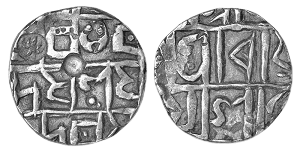
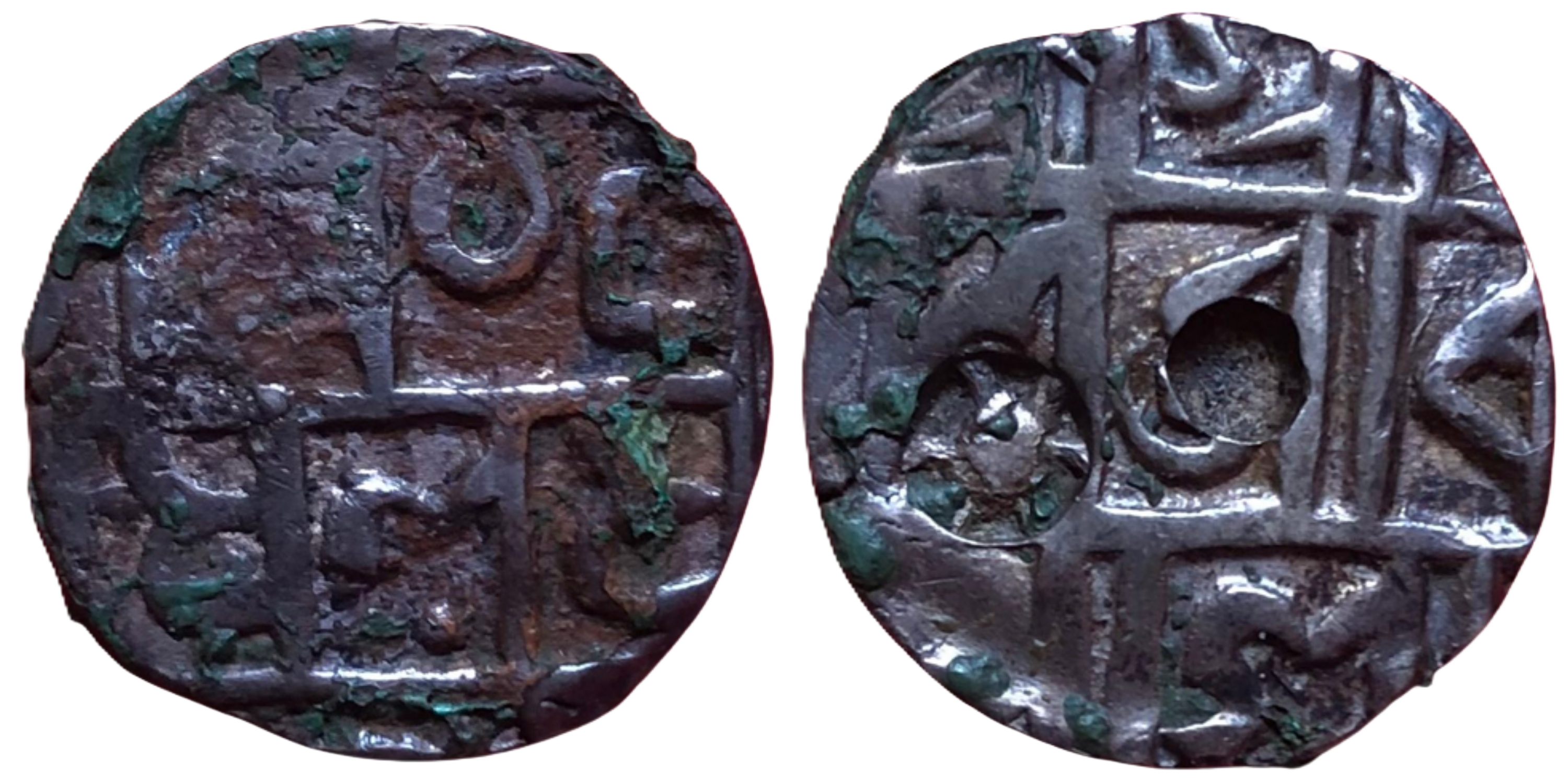
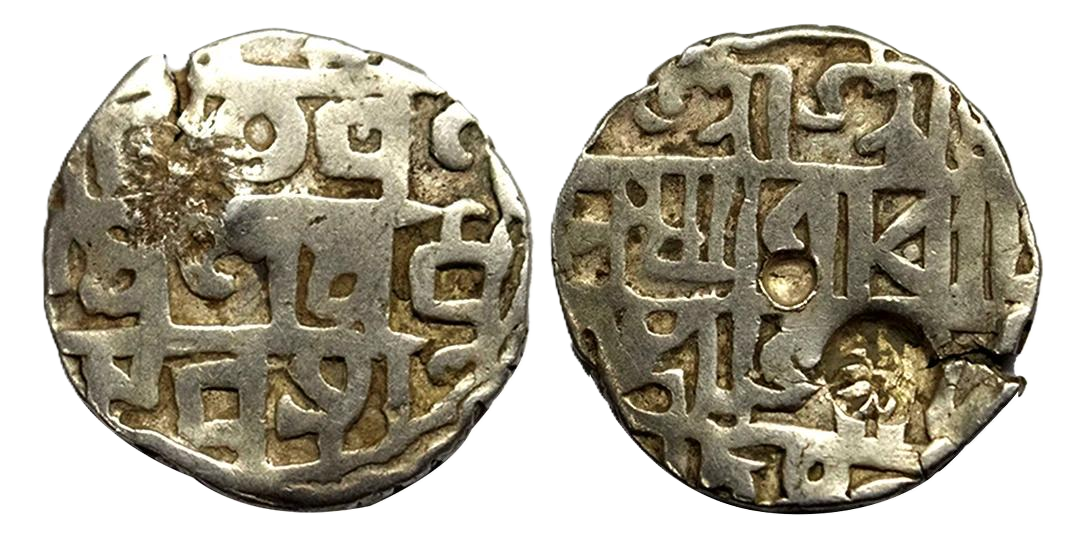
Interestingly, several half-tanka coins of the neighboring kingdom of Cooch Behar have been found with Jaintia countermarks. These countermarks commonly depict symbols such as a tortoise, lotus, deer, and bird. The presence of these countermarks suggests that the half-tanka coins of Cooch Behar circulated within the Jaintia kingdom and were officially validated for local use.
So far, such countermarks have been observed on coins issued during the reigns of Pran Narayan, Rajendra Narayan, and Rup Narayan of Cooch Behar. However, Jaintia countermarks on the coins of Lakshmi Narayan are extremely rare.
Presented here are a few examples of Cooch Behar coins bearing Jaintia countermarks from a private collection. These coins serve as valuable numismatic evidence, shedding light on the economic interactions and political relationships between the kingdoms of Cooch Behar and Jaintiapur.
Trending Post